Hotel Call Center in Sri Lanka: Handle Reservations and Guest Calls Without Losing Bookings
How Sri Lankan hotels can organise reservation and guest calls: common setups, features that matter, peak-season and after-hours planning, and how to request a quote for Digital Urgency Call Centre.
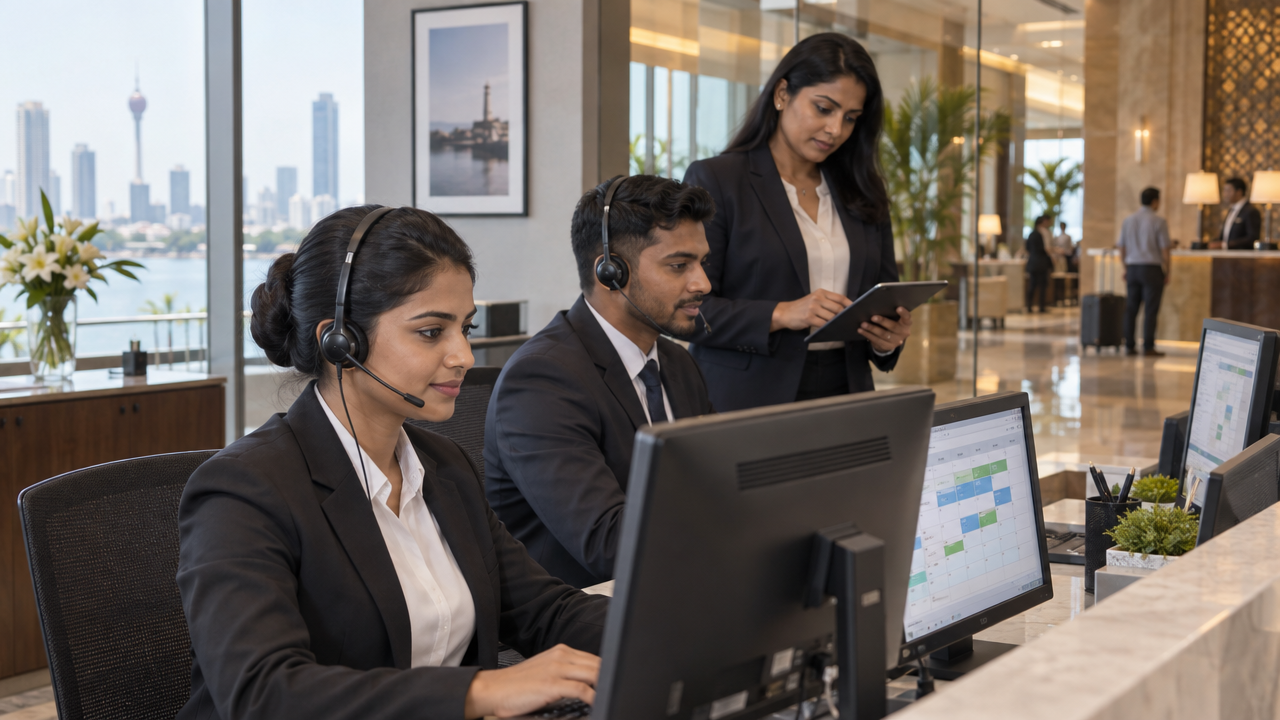
A guest dials your hotel to book three rooms for next weekend. The front desk is checking in a tour group. The phone rings four times, then goes to a voicemail nobody checks until evening. By then the guest has booked elsewhere.
That pattern is common in Sri Lankan hotels from boutique properties in Galle to city hotels in Colombo and larger resorts on the south and east coasts. Guests still call for rates, availability, special requests and problems that chat and booking engines do not fully solve. A hotel call center is simply the way you organise those calls so they get answered, logged and turned into confirmed stays instead of missed opportunities.
This guide is for general managers, front-office managers and owners of hotels, resorts and small hospitality groups in Sri Lanka. It stays on hospitality. It is not a general call-centre software buyer guide, and it is not a metrics deep-dive.
Why phone still matters for Sri Lankan hotels
Online booking is the default for many travellers, but phone still carries high-intent traffic:
- Guests who want a human answer on rates, packages or kids’ policies
- Last-minute bookings when the website looks full or confusing
- Changes and cancellations that need a confirmation number
- Corporate and travel-agent bookings that prefer a named contact
- Guests already on property who need help with airport transfers, late checkout or complaints
In peak seasons (December–January, school holidays, event weeks in Colombo), call volume spikes at the same time your lobby is busiest. Without a clear plan, the people who should be welcoming guests are stuck on hold with reservation enquiries.
What a hotel call operation actually handles
Think in journeys, not in “phone system features”.
Before arrival
- New reservations and rate quotes
- Room type upgrades and package questions
- Special requests (early check-in, connecting rooms, dietary needs)
- Group and wedding enquiries that need follow-up
During the stay
- In-house guest requests routed to the right department
- Complaint handling with a named owner
- Concierge-style questions that should not block the front desk forever
After departure
- Feedback calls
- Loyalty and repeat-stay offers
- Resolution of billing disputes
A lightweight setup might cover only reservations and changes. A fuller hotel call center also covers guest services and after-hours, with clear handoff rules so the night auditor is not improvising.
Three common setups (and when each breaks)
1. Front desk answers everything
Works for very small properties with low call volume. Breaks when the lobby is busy, when languages mix (Sinhala, Tamil, English), or when callers need longer sales conversations.
2. A dedicated reservation desk on the same number
Better. One or two people own bookings while front desk owns walk-ins. Breaks when those people are on leave, when after-hours calls still hit the desk, or when you have more than one property and no shared queue.
3. A cloud hotel call center for your team
Agents (on-site or remote) work from a shared queue with reporting, call recording and optional CRM notes. Fits hotels that want consistent answer rates without building a large on-premise switch. This is the model Digital Urgency Call Centre is built around: you scope agent numbers, queues and reporting first, then integrations.
None of these replace a property management system (PMS). They sit in front of it so calls are answered and the booking still lands correctly.
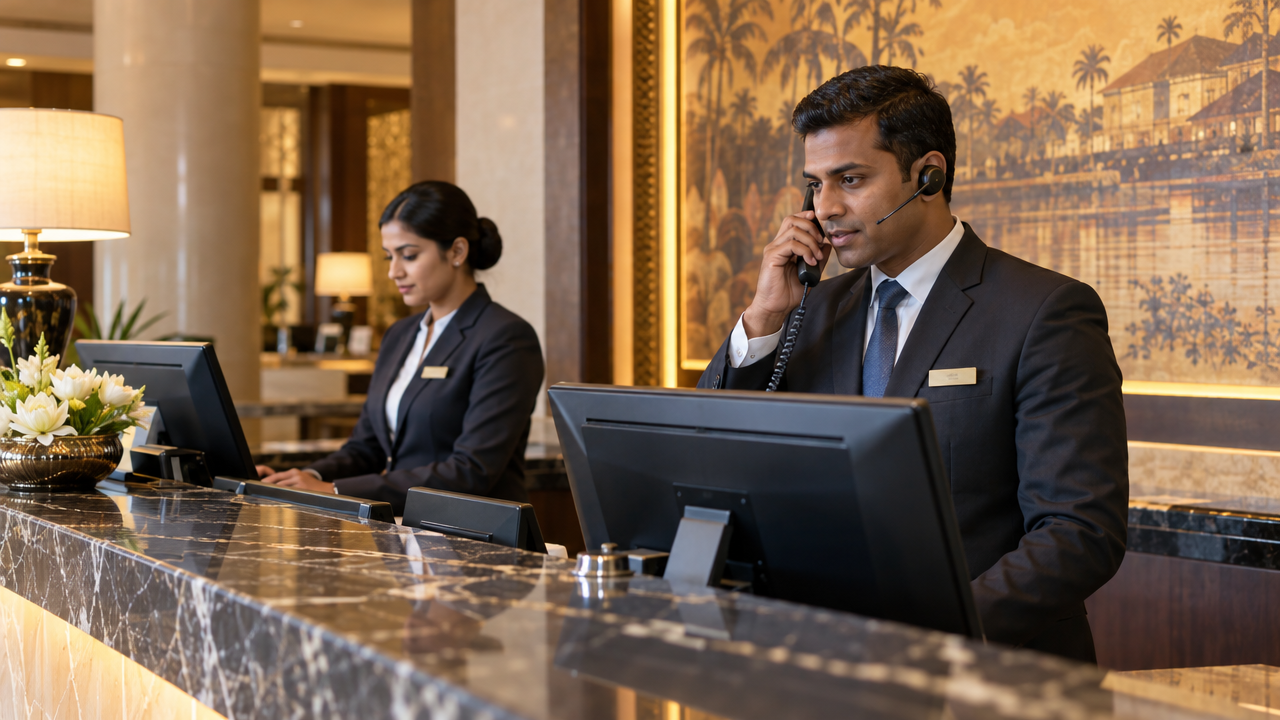
Features that matter for hotels (skip the buzzwords)
Ignore long feature lists. For hospitality, these usually decide whether the setup helps or gets in the way:
Queues with a clear greeting. Callers should hear they reached your hotel, not dead air. Position messages help during peak, but keep them short.
Skills or language routing. Separate reservation sales from in-house guest requests when volumes justify it. Offer Sinhala, Tamil and English prompts where your guests need them. For menu design ideas that stay simple, see IVR for small business — then adapt the same principles to a hotel menu.
Call recording with agreed retention. Useful for training and for resolving “you promised us a sea view” disputes. Agree retention and access rules up front, including who can listen.
CRM or PMS notes the agent can see. Agents should know if the caller is a returning guest, a corporate account or someone who complained last week. Exact integrations are confirmed in your quote.
After-hours rules. Decide what happens at 1am: voicemail with next-morning callback, a night agent, overflow to another property in your group, or an on-call manager for emergencies only. Tourism properties that take international bookings often need a clearer night plan than a weekday city hotel.
Supervisor tools. A wallboard or live view so the front-office manager can see waiting calls and step in before abandon rates climb.
Peak season, multi-property groups and after-hours
Sri Lanka’s tourism calendar is uneven. A setup that feels fine in May can fail in December. Plan for:
- Extra agents or extended hours only for peak weeks
- Overflow between sister hotels in the same group so one busy property does not drop calls
- Clear scripts for rate integrity (no accidental undercutting of contracted online rates)
- A simple escalation path for VIP and corporate accounts
Large Sri Lankan hotel groups already run professional reservations teams. Independent hotels and smaller groups can still borrow that discipline without copying enterprise headcount: shared queues, recorded calls and one owner for unanswered follow-ups.
Measure a few things (then stop)
You do not need a full KPI programme to know if guest phones are working. Watch:
- Answered vs missed reservation calls by hour
- Abandonment during breakfast and evening peaks
- Callbacks completed the same day
- Bookings confirmed from phone enquiries (when you can track them)
If you later run a larger in-house team and want a proper metrics framework, use the separate call centre KPIs guide. Keep this hotel post focused on guest journeys and operations.
How to request a quote without getting lost
Pricing for hotel setups depends on agent seats, call volumes, recording retention, languages and integrations. Digital Urgency does not publish a public rate card for this. Request a quote and ask for figures in LKR.
Use the tiers as a starting conversation, not a fixed menu:
- Standard — focused use case (for example reservations only, limited hours)
- Premium — more queues, languages, recording and reporting
- Enterprise — multi-property, heavier integrations, broader coverage
Before you enquire, write down:
- How many rooms and properties
- Typical daily call volume (quiet day vs peak day)
- Languages guests expect
- Whether night calls need a live answer
- Which system holds your reservations today
- Who should own missed-call callbacks
Share those points with sales. A clear scope avoids buying tools your front desk will never use.
Getting started
A hotel call center in Sri Lanka is not about sounding like a bank hotline. It is about answering the guest who wants to book, change or complain — quickly, in the right language, with a record of what was promised.
If your lobby team is still juggling check-ins and ringing phones, start with the guest journeys above, pick the smallest setup that covers peak hours, and request a quote for Digital Urgency Call Centre with your room count, languages and after-hours needs listed.
FAQ
Do small boutique hotels need a hotel call center?
Not always. If one person can answer consistently and you rarely miss bookings, a simple shared desk may be enough. Add structure when missed calls or peak lobby times start costing confirmed stays.
Can remote agents handle hotel reservations?
Yes, if they have access to live availability, rate rules and escalation contacts. Confirm security and PMS access in your written proposal.
How much does a hotel call setup cost in Sri Lanka?
Request a quote. Setup, usage, integrations and support are confirmed in LKR against your scope. Choose Standard, Premium or Enterprise as a starting point for the enquiry.
Want this done for your business?
Book a free 30-minute strategy call and we'll map it to your situation.
Book a Strategy Call